Public transport network review
Feedback on the Metro Network Review is now closed.
Thanks to all those who provided feedback. Your feedback will be used alongside technical information, such as passenger data, population growth projections and modelling, to identify priorities for improving the network over the next ten years.
We’ll be consulting on specific options through our Long-Term Plan early next year.
About the Metro Network Review
During the review we asked people:
- what works and what doesn’t
- what would encourage you to use public transport more often
- which changes we should prioritise across the network
- what would make the biggest difference for you and your family.
While we know some people would like to see service to towns further afield, or rail options, progressed, these are outside the scope of this review.
A current proposal: Routes 44 and 135
As part of this review, we were also seeking feedback on a proposal to improve Route 44 Shirley/Westmorland and remove Route 135 New Brighton/The Palms. This will be most relevant to customers who currently use these routes.
View the proposed changes for Route 44 and 135
Feedback on the Metro Network Review is now closed.
Thanks to all those who provided feedback. Your feedback will be used alongside technical information, such as passenger data, population growth projections and modelling, to identify priorities for improving the network over the next ten years.
We’ll be consulting on specific options through our Long-Term Plan early next year.
About the Metro Network Review
During the review we asked people:
- what works and what doesn’t
- what would encourage you to use public transport more often
- which changes we should prioritise across the network
- what would make the biggest difference for you and your family.
While we know some people would like to see service to towns further afield, or rail options, progressed, these are outside the scope of this review.
A current proposal: Routes 44 and 135
As part of this review, we were also seeking feedback on a proposal to improve Route 44 Shirley/Westmorland and remove Route 135 New Brighton/The Palms. This will be most relevant to customers who currently use these routes.
View the proposed changes for Route 44 and 135
-
About Metro services 🚌🛥️
The Canterbury Regional Council (Environment Canterbury) is responsible for delivering the region’s public transport services. In Greater Christchurch, we run the Metro bus and ferry routes that connect communities across Christchurch and parts of the Waimakariri and Selwyn districts.
Last year, around 15 million trips were taken on Metro services.
There are 28 Metro services in the network including:
- Frequent core routes - connecting key destinations and activity hubs
- City connectors - linking suburbs to the central city
- Suburban links - connecting suburb to suburb
- Direct peak-time services - town to city
- Diamond Harbour ferries.
Keep us moving as our city grows
Christchurch and the surrounding townships in Selwyn and Waimakariri are growing fast and the transport network needs to keep up. By 2050, we expect there will be 700,000 people living here.
Improving public transport is one of the most effective ways to reduce congestion, support growth, and keep people moving around the city. Without it, pressure on our roads will continue to increase.
A strong, reliable public transport network benefits everyone. Whether you use it or not, it supports:
- More travel choice
- Better access to jobs, education, recreation, and services
- Less congestion on our roads
- Lower emissions
- Improved road safety.
The Canterbury Regional Council (Environment Canterbury) is responsible for delivering the region’s public transport services. In Greater Christchurch, we run the Metro bus and ferry routes that connect communities across Christchurch and parts of the Waimakariri and Selwyn districts.
Last year, around 15 million trips were taken on Metro services.
There are 28 Metro services in the network including:
- Frequent core routes - connecting key destinations and activity hubs
- City connectors - linking suburbs to the central city
- Suburban links - connecting suburb to suburb
- Direct peak-time services - town to city
- Diamond Harbour ferries.
Keep us moving as our city grows
Christchurch and the surrounding townships in Selwyn and Waimakariri are growing fast and the transport network needs to keep up. By 2050, we expect there will be 700,000 people living here.
Improving public transport is one of the most effective ways to reduce congestion, support growth, and keep people moving around the city. Without it, pressure on our roads will continue to increase.
A strong, reliable public transport network benefits everyone. Whether you use it or not, it supports:
- More travel choice
- Better access to jobs, education, recreation, and services
- Less congestion on our roads
- Lower emissions
- Improved road safety.
-
Our vision and future plans💡
Our vision
Public transport is the mode of choice for more people and provides a safe, frequent, accessible, low emission transport option. As outlined in our Regional Public Transport Plan 2025-35.
Planning for change
Because the Metro network is interconnected, changes in one area can affect services elsewhere. That’s why we need to look at the big picture.
We can make some improvements with current funding, like adjusting routes or moving buses to where they are needed most. For example, we are currently seeking your feedback on proposed changes to Routes 44 Shirley/Westmorland and 135 New Brighton/The Palms.
Bigger changes take more time and planning, and like many regions in New Zealand, we face significant financial pressures. With limited funding, we need to make choices about what changes will have the most impact. This means balancing two goals:
- Growing patronage – attracting as many passengers as possible
- Expanding coverage – reaching more communities
We can’t always do both at once, so it’s about finding the right balance.
We’re also working with partners to improve things like bus lanes, bus stops, bus priority at intersections, and park and ride facilities in the districts, to make public transport more convenient.
We’re open to new ideas and smarter ways of delivering services that better meet the needs of different communities.
Our vision
Public transport is the mode of choice for more people and provides a safe, frequent, accessible, low emission transport option. As outlined in our Regional Public Transport Plan 2025-35.
Planning for change
Because the Metro network is interconnected, changes in one area can affect services elsewhere. That’s why we need to look at the big picture.
We can make some improvements with current funding, like adjusting routes or moving buses to where they are needed most. For example, we are currently seeking your feedback on proposed changes to Routes 44 Shirley/Westmorland and 135 New Brighton/The Palms.
Bigger changes take more time and planning, and like many regions in New Zealand, we face significant financial pressures. With limited funding, we need to make choices about what changes will have the most impact. This means balancing two goals:
- Growing patronage – attracting as many passengers as possible
- Expanding coverage – reaching more communities
We can’t always do both at once, so it’s about finding the right balance.
We’re also working with partners to improve things like bus lanes, bus stops, bus priority at intersections, and park and ride facilities in the districts, to make public transport more convenient.
We’re open to new ideas and smarter ways of delivering services that better meet the needs of different communities.
-
What we've heard 📣👂
This review draws on years of community feedback, from formal consultations through to everyday enquiries to Metro customer service.
The message we hear consistently is clear:
People want more buses, more often, and more reliable services.
View a map summarising the feedback for your neighbourhood:
This review draws on years of community feedback, from formal consultations through to everyday enquiries to Metro customer service.
The message we hear consistently is clear:
People want more buses, more often, and more reliable services.
View a map summarising the feedback for your neighbourhood:
-
What happens next ➡️
- Your feedback will be used alongside technical information, such as passenger data, population growth projections, and modelling, to identify priorities for improving the network over the next ten years.
- Next, we’ll develop three options for improvement, each with a different pace and scale of change. Early next year, you’ll have the chance to tell us your preferred option when we consult on the draft Long-Term Plan 2027-37.
- Looking further ahead, we are also exploring options for mass rapid transit – frequent, high capacity and low emission services to serve the city’s busiest corridors.
By sharing your experience, you’ll help build a public transport system that works better for you and your whānau - now and into the future.
- Your feedback will be used alongside technical information, such as passenger data, population growth projections, and modelling, to identify priorities for improving the network over the next ten years.
- Next, we’ll develop three options for improvement, each with a different pace and scale of change. Early next year, you’ll have the chance to tell us your preferred option when we consult on the draft Long-Term Plan 2027-37.
- Looking further ahead, we are also exploring options for mass rapid transit – frequent, high capacity and low emission services to serve the city’s busiest corridors.
By sharing your experience, you’ll help build a public transport system that works better for you and your whānau - now and into the future.
Timeline
-
Stakeholder workshops
Public transport network review has finished this stageEarly May 2026
-
Feedback opens
Public transport network review has finished this stage13 May 2026
-
Catch up with us in your area
Public transport network review has finished this stageMay-June 2026
-
Feedback closes
Public transport network review is currently at this stage24 June 2026
-
Report to Council
this is an upcoming stage for Public transport network reviewSeptember 2026
-
Consult on options through the Long-Term Plan
this is an upcoming stage for Public transport network reviewEarly 2027
Who's Listening
-
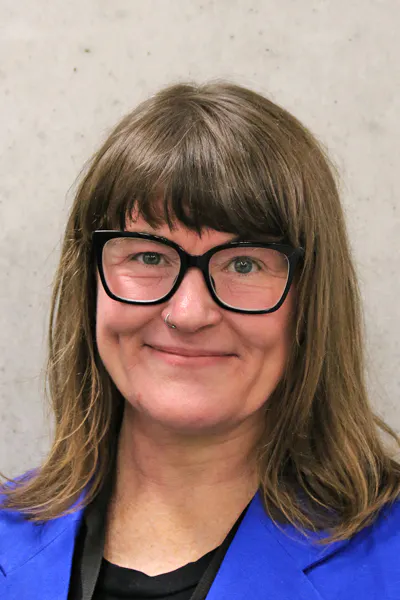
Senior Community Engagement Advisor
-
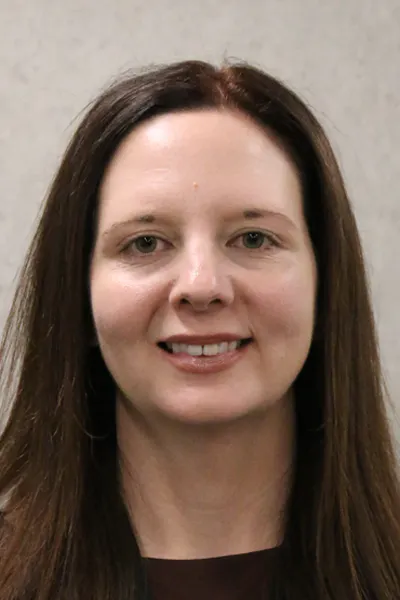
Manager - Public Transport Strategy and Planning
What we've heard
This review draws on years of community feedback, from formal consultations through to everyday enquiries to Metro customer service.
The message we hear consistently is clear:
People want more buses, more often, and more reliable services.
View a map summarising the feedback for your neighbourhood:
- Waimakariri
- Selwyn
- Hornby, Halswell, Riccarton and Spreydon
- Cashmere, Heathcote and Banks Peninsula
- Coastal, Burwood and Linwood
- Fendalton, Waimairi and Harewood
- Papanui, Innes
- Christchurch central