Reviewing the River Gravel Extraction Code of Practice
UPDATE 30 June 2026:
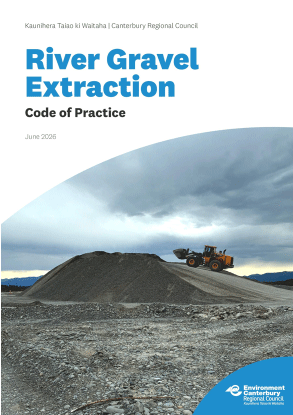
The River Gravel Extraction Code of Practice review is now complete
Thank you to everyone who took the time to review the draft Gravel Code of Practice (COP) and share their feedback. We received 15 submissions from individuals and organisations with a range of interests in gravel management.
While views differed on some aspects of the draft, several common themes emerged.
Feedback generally:
recognised the importance of gravel extraction for both flood risk management and aggregate supply,
supported the role of the COP in guiding good practice,
and identified opportunities to improve clarity and implementation.
We've now completed our review of the feedback and have updated the COP where appropriate. Changes have focused on improving readability, clarifying key requirements, and supporting practical implementation. Some suggestions were outside the scope of this review and have not been incorporated.
What happens next?
The revised Gravel Code of Practice 2026 will come into effect on 1 July 2026. From this date, all new gravel authorisations will need to comply with the updated code.
Please note: From 1 July, gravel authorisations will have a new format. The authorisation document will include the conditions and mitigation requirements relevant to that extraction, making them easier to understand and follow. While the full Code of Practice will no longer be attached, operators should still read and be familiar with the complete document.
To see what the new format looks like, we've included an example Gravel Authorisation here, along with the schedules that will be attached.
The River Gravel Extraction Code of Practice review is now complete
Thank you to everyone who took the time to review the draft Gravel Code of Practice (COP) and share their feedback. We received 15 submissions from individuals and organisations with a range of interests in gravel management.
While views differed on some aspects of the draft, several common themes emerged.
Feedback generally:
recognised the importance of gravel extraction for both flood risk management and aggregate supply,
supported the role of the COP in guiding good practice,
and identified opportunities to improve clarity and implementation.
We've now completed our review of the feedback and have updated the COP where appropriate. Changes have focused on improving readability, clarifying key requirements, and supporting practical implementation. Some suggestions were outside the scope of this review and have not been incorporated.
What happens next?
The revised Gravel Code of Practice 2026 will come into effect on 1 July 2026. From this date, all new gravel authorisations will need to comply with the updated code.
Please note: From 1 July, gravel authorisations will have a new format. The authorisation document will include the conditions and mitigation requirements relevant to that extraction, making them easier to understand and follow. While the full Code of Practice will no longer be attached, operators should still read and be familiar with the complete document.
To see what the new format looks like, we've included an example Gravel Authorisation here, along with the schedules that will be attached.